
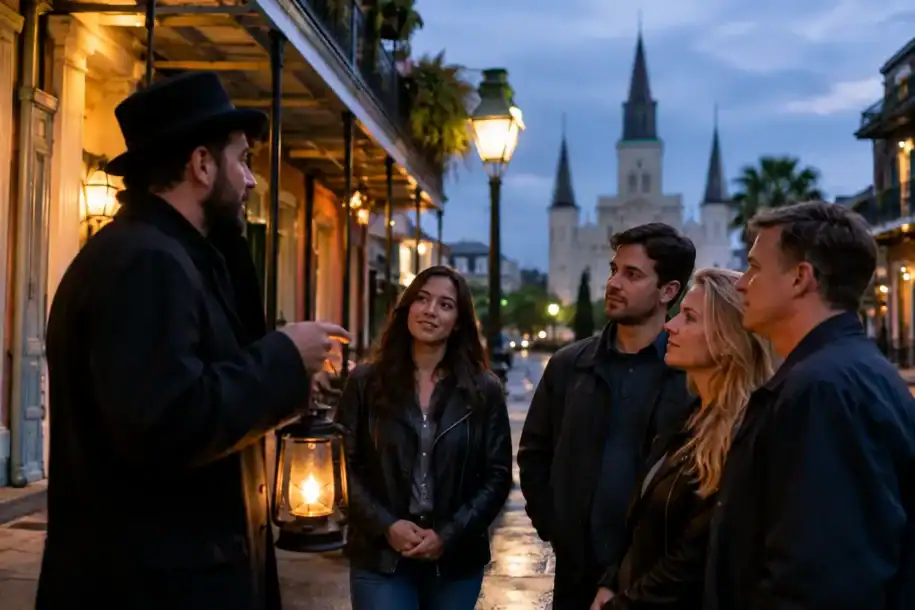
The French Quarter feels different after dark. Balconies cast long shadows across narrow streets, music slips out of open doorways, and centuries-old buildings suddenly seem to have stories of their own. That is the appeal of New Orleans ghost tours: they turn an evening walk into a close-up look at the city’s legends, dramatic history, and famously mysterious side.
For travelers building a New Orleans itinerary, a ghost tour can be an easy, memorable nighttime plan after dinner or a riverfront stroll. The key is choosing a tour that fits your group. Some lean into historic storytelling, while others focus on hauntings, vampires, true crime, cemetery lore, or adults-only tales. Pick your experience with a little care, and your night in the Crescent City can be spooky for all the right reasons.
What Makes New Orleans Ghost Tours Different?
New Orleans has no shortage of old buildings, but the city’s ghost-tour appeal is about more than age. French, Spanish, African, Caribbean, and American influences meet here, creating a history that is layered, complicated, and deeply local. Tours often connect reported hauntings with real events, including fires, epidemics, duels, yellow fever, social conflict, and the lives of people who shaped the city.
The French Quarter is the usual starting point because its streets are compact, walkable, and full of landmark homes, hotels, taverns, and courtyards. A guide may point out a building you passed earlier that day, then give it an entirely different character after sunset. The best guides make room for both atmosphere and context instead of treating every stop like a jump scare.
That mix is worth considering when you compare options. If you love local history, choose a history-forward ghost walk. If your group wants a lively night out, a darker, more theatrical tour may be a better match. The “best” experience depends less on the title and more on the pace, subject matter, and guide’s approach.
Choose the Tour Style That Fits Your Group
Most ghost experiences fall into a few broad categories, even when operators use creative names. Reading the description closely helps you avoid booking a tour that is too intense, too tame, or simply different from what you expected.
Classic haunted-history walks
These are often the most flexible choice for first-time visitors, couples, families with older kids, and mixed-age groups. Expect a guided walk through historic streets with stories about haunted homes, famous residents, unexplained sightings, and major moments in New Orleans history.
The tone varies by guide. Some are playful and family-friendly; others are more serious and eerie. Look for an age recommendation before reserving, especially if children are joining you. A “ghost tour” does not automatically mean a kid-focused ghost tour.
Cemetery and after-dark experiences
Cemetery-focused tours are popular because New Orleans burial traditions are visually striking and culturally significant. The city’s above-ground tombs are often called “Cities of the Dead,” but they are real cemeteries, not movie sets. A quality tour should treat them with respect while explaining why local burial practices developed.
Access can change due to preservation rules, operating schedules, weather, or site policies. Some experiences visit a cemetery, while others discuss cemetery history from outside the gates or combine it with French Quarter storytelling. Confirm exactly what the itinerary includes rather than assuming entry is guaranteed.
True crime, vampire, and adults-only tours
Traveling with friends for a weekend getaway or celebration? These tours can bring a more mature edge. They may cover infamous crimes, legends of vampires, scandalous characters, and grim chapters from the city’s past. Some are walking tours; others add a bar stop or are designed as a late-night outing.
Check the content notes and minimum age carefully. Adults-only does not always mean explicit, but it usually signals stronger language, more graphic topics, or a nightlife-oriented atmosphere. It can be a great fit for a couples trip, but not the right choice for a family vacation.
Pick the Right Neighborhood and Starting Point
The French Quarter is the easiest place to begin, especially if you are staying nearby or have dinner planned in the area. You can walk to your meeting point, enjoy the tour, and remain close to restaurants, music venues, and hotel transportation afterward. For a short visit, that convenience matters.
Garden District ghost tours offer a different mood. You may see grand homes, oak-lined streets, and a quieter residential setting. These tours can feel more elegant and less crowded than a French Quarter walk, but they also require more planning if you are staying downtown. Choose the neighborhood that works with the rest of your evening rather than adding unnecessary cross-city travel.
A few practical details make the experience smoother. Confirm the meeting location on the day of your tour, arrive early enough to check in, and wear shoes you can comfortably walk in. New Orleans sidewalks can be uneven, and some routes cover a surprising amount of ground. If you are visiting during warmer months, bring water and dress for humidity even after sunset.
When to Book a Ghost Tour in New Orleans
Ghost tours run year-round, and every season changes the feel of the experience. Fall brings Halloween energy and strong demand, so popular evening times can fill early. Spring is pleasant for walking, though festivals and special events can make the French Quarter busier than usual. Summer nights are steamy, but late tours can still be enjoyable if your group is prepared for the heat.
Winter can offer cooler walking weather and fewer crowds outside holiday periods. Rain is possible in any season, so check the cancellation and weather policy before you book. Many walking tours operate in light rain, but severe conditions may change the route or result in a cancellation.
For timing, sunset and early-evening departures are often ideal for travelers who want eerie atmosphere without staying out too late. Later departures generally feel more dramatic and may attract an adult crowd. If you have young children, an earlier time is usually the safer call. If you are planning a packed day, schedule the ghost tour after a relaxed dinner rather than trying to rush from a museum or daytime excursion.
What to Look for Before You Reserve
A strong listing should tell you the expected duration, meeting point, walking level, age guidance, route themes, and whether drinks, transportation, or cemetery access are included. If those details are unclear, keep comparing. A few extra minutes of planning can prevent a frustrating night.
Reviews are useful, but read beyond the star rating. Look for comments about the guide’s storytelling, group size, historical detail, and whether guests felt the pace was manageable. A guide can make a familiar route feel unforgettable, while an overcrowded tour can make it hard to hear the stories.
Consider your group’s priorities, too. Travelers who want vivid photographs may prefer a smaller group or a tour with a scenic route. Visitors who want the deepest historical context may favor a longer walk with a guide known for research. If you are simply looking for a fun first night in town, a classic French Quarter ghost tour is often the easiest choice.
Make It Part of a Better New Orleans Night
A ghost tour works best when it has breathing room around it. Plan a meal beforehand, leave time to reach the meeting point, and avoid overloading the evening with too many reservations. The experience is more fun when you are not watching the clock or trying to navigate unfamiliar streets at the last minute.
Keep expectations in the right place. These tours are built around folklore, documented history, personal accounts, and local legend. You may leave convinced a building is haunted, or you may simply leave with better stories about the city. Either way, the value is in seeing New Orleans through a lens that daylight does not quite reveal.
Choose a neighborhood, pick the mood that suits your group, and reserve a time that fits your itinerary. Then let the city do what it does best: make an ordinary walk feel like an adventure worth talking about long after the trip ends.