
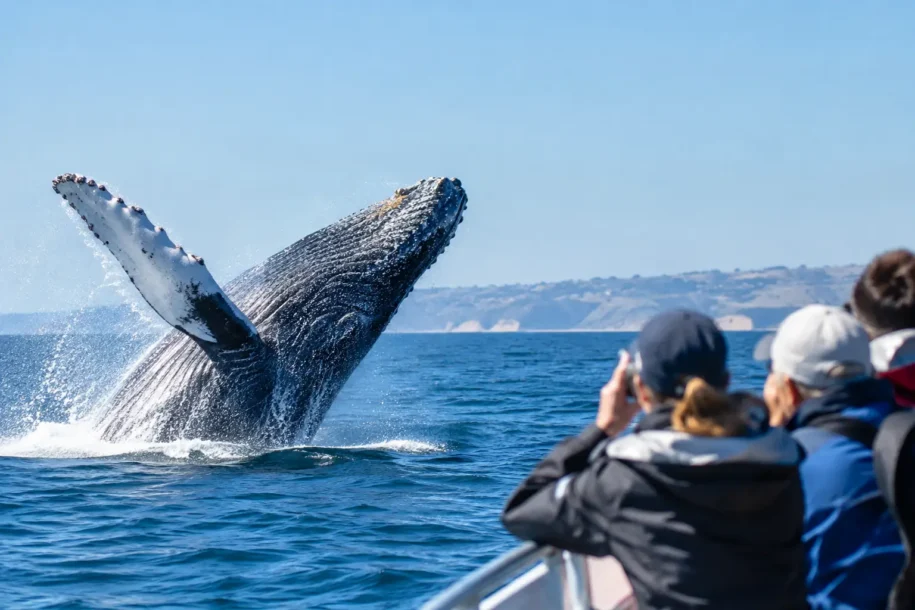
A few miles beyond San Diego’s coastline, the city skyline drops away, the water opens up, and a spout on the horizon can stop an entire boat mid-conversation. San Diego whale watching tours turn a beach vacation or city break into a true Pacific adventure – but the best choice depends on when you visit, who is traveling with you, and how much time you want to spend offshore.
Whale watching is not an aquarium experience. Sightings can never be guaranteed, and that is part of what makes the outing memorable. Choose a reputable tour, plan for the season, and go in ready to enjoy dolphins, sea lions, ocean views, and the search itself alongside any whale encounters.
When to Take San Diego Whale Watching Tours
San Diego offers whale watching opportunities through much of the year, with different species and conditions shaping each season. If seeing a particular whale is at the top of your list, timing matters more than choosing the biggest boat or the shortest drive to the harbor.
Winter and spring: gray whale migration
From roughly December through April, gray whales are the seasonal headline. These whales travel along the California coast during their migration between Arctic feeding grounds and Baja California breeding lagoons. Winter often brings the first southbound travelers, while spring can offer the chance to see whales heading north with calves.
This is a popular period for families, first-time visitors, and anyone building a winter or spring San Diego itinerary. Tours may fill earlier around school breaks and holiday weekends, so reserving ahead gives you more departure-time options. Ocean conditions still vary, especially after storms, so a morning with sunshine is not automatically a calm-water day.
Summer and fall: blue whales and open-ocean wildlife
Summer can bring blue whale activity offshore, typically when food conditions are right. The world’s largest animal is an extraordinary sight, but blue whales can be farther from shore and are not predictable on a day-to-day basis. Longer excursions may make more sense if your travel dates are flexible and a serious wildlife outing is a priority.
Fin whales, humpback whales, minke whales, and other marine life may also be seen at different points of the year. Bottlenose and common dolphins are frequent highlights, and large dolphin pods can make a trip feel successful even on a day when whales remain out of view.
Fall is often a smart choice for travelers who prefer fewer crowds and warm San Diego weather. Think of it as a flexible wildlife season rather than a promise of one specific species.
Choose the Right Boat and Tour Length
The right tour is the one that fits your group’s comfort level and schedule. A compact, fast-moving vessel may feel exciting and cover water efficiently, while a larger yacht-style boat can offer more stability, seating, shade, and room to move around. Neither is automatically better.
Shorter tours, often around two hours, work well for families with younger children, visitors with packed sightseeing plans, and travelers who want a first taste of the ocean. You will still have time to leave the harbor, scan for marine life, and enjoy the coast, though the search area is naturally more limited.
Longer trips offer more time on the water and may be especially appealing during seasons when whales can be farther offshore. They are a better fit for travelers who see wildlife viewing as a centerpiece of the day, rather than one stop between Balboa Park and dinner in the Gaslamp Quarter.
Small-group tours can feel more personal, with easier access to the rail and more conversation with the crew. Larger boats may be the better choice for multigenerational groups, travelers who want restrooms and more onboard space, or anyone concerned about a bumpy ride. Read the tour details closely for vessel type, duration, passenger capacity, departure location, and onboard amenities before booking.
What a Whale Watching Day Actually Feels Like
Most trips begin at a San Diego harbor, where passengers check in, receive a quick safety briefing, and cruise past marinas and naval activity before reaching open water. The ride out is part of the experience. You may see California sea lions lounging on buoys, pelicans skimming the surface, and dramatic views of Point Loma or the downtown waterfront.
Once offshore, the captain and naturalist watch for clues: a blow breaking the horizon, birds gathering over baitfish, a change in water movement, or reports from other vessels. When whales are spotted, responsible operators approach carefully and follow marine-wildlife rules designed to avoid disturbing the animals.
Bring your expectations in line with nature. Some days offer repeated sightings close to the boat. Other days involve a longer search, distant views, or a dolphin-focused outing. A knowledgeable crew adds value either way by explaining migration patterns, behavior, and the wider coastal ecosystem.
Plan for Comfort, Not Just the Photo
San Diego can feel warm on land and surprisingly cool offshore. The breeze increases once the boat picks up speed, even on a sunny afternoon. Wear layers, including a wind-resistant outer layer, and choose closed-toe shoes with decent grip. Sunglasses, sunscreen, and a hat with a secure strap are practical, not optional.
If you are prone to motion sickness, prepare before leaving the dock. Talk with a pharmacist or physician about appropriate remedies, follow product directions, eat a light meal, and limit alcohol beforehand. Onboard, fresh air and a view of the horizon can help. Sitting near the center or back of a larger vessel is often more comfortable than standing at the bow, where movement can be stronger.
For photos, a phone is enough for many travelers, especially for wide coastal views and dolphin pods. If you bring a camera with a zoom lens, use a strap and be ready for movement. The best wildlife moments tend to be brief. Take a few shots, then put the camera down and watch.
Best Picks for Families, Couples, and Groups
Families should prioritize manageable timing, restroom access, and a boat with covered space. Morning departures can be a good option before kids get tired, but the best choice depends on your family’s routine and the day’s forecast. Explain beforehand that wildlife does not perform on cue. Kids often stay engaged when they are invited to spot birds, sea lions, and dolphin fins as well as whales.
Couples can turn a cruise into a relaxed half-day plan. Pair an early outing with brunch near the harbor, or choose an afternoon departure and leave time afterward for a waterfront dinner. The coast looks different from the water, and even a no-rush cruise can feel like a break from a busy vacation schedule.
Friend groups and celebration travelers should compare tour length and boat atmosphere before assuming a cruise is a party experience. Some trips are built around naturalist-led education and quiet wildlife viewing, while others may feel more social. Pick the experience that matches the group rather than asking the group to adapt once onboard.
How to Book With Fewer Surprises
Start with your travel dates, then compare available tours by season, departure time, duration, vessel, and cancellation terms. Morning trips may offer calmer conditions on some days, but weather and water conditions can change quickly. If you have flexibility, choosing an earlier date in your stay creates room to rebook if a departure is canceled for weather.
Check the meeting point and arrival instructions. Harbor parking, traffic, and finding the correct dock can take longer than expected, particularly on weekends. Arrive early enough to check in without turning the first part of the outing into a sprint.
Also look for practical details that shape the experience: minimum age requirements, accessibility information, restroom availability, food and drink policies, and what happens if wildlife is not sighted. Some operators offer a return-trip policy or another form of courtesy, but terms differ. Read the current policy rather than relying on a general assumption.
Hop On City Tours helps travelers compare bookable San Diego experiences in one place, so you can spend less time switching between operator sites and more time building the day around the outing you want.
Make the Most of Your Time on the Water
A whale watching cruise is strongest when you treat it as a coastal wildlife experience, not a checklist item. Watch the water between sightings. Ask the crew what they are looking for. Notice the changing color of the ocean and the coastline shrinking behind you.
Pick your season, choose a boat that suits your group, and leave a little room in the itinerary for the Pacific to set the pace. That is where the stories worth bringing home usually begin.
Leave a Reply
You must be logged in to post a comment.