
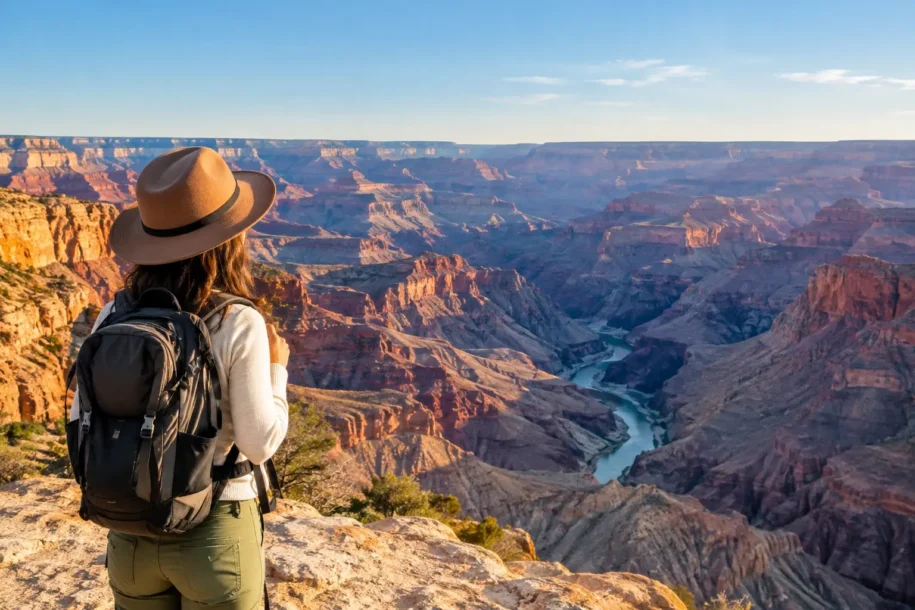
A Grand Canyon day trip from Las Vegas can turn a high-energy Vegas stay into a full day of desert scenery, canyon overlooks, and stories you will still be telling after you are back on the Strip. The key is choosing the right rim for your schedule. The West Rim is closer and built for a long but manageable day; the South Rim delivers the classic national park experience but requires more time in transit.
You do not need to be an expert planner to make it work. Pick the experience you want, compare tour styles, reserve ahead, and leave room for the reality of desert travel: early starts, changing temperatures, and a day that can run 10 hours or more.
Choose the right Grand Canyon day trip from Las Vegas
The Grand Canyon is not one single stop. From Las Vegas, travelers usually visit either the West Rim or the South Rim. Both are spectacular, but they suit different kinds of trips.
West Rim: the closest choice for a full day out
The West Rim sits about 125 miles from Las Vegas, often making it a two- to two-and-a-half-hour drive each way. It is located on Hualapai land, not within Grand Canyon National Park, and it is known for dramatic viewpoints such as Eagle Point and Guano Point.
This is the practical choice for travelers with limited time, families with kids, first-time Vegas visitors, and anyone who wants canyon views without spending most of the day on the road. Many guided trips include transportation, viewpoints, and free time to explore. Some add a stop at Hoover Dam, a helicopter flight, a boat ride on the Colorado River, or entry to the Skywalk.
The Skywalk is a horseshoe-shaped glass bridge extending over the canyon. It is memorable, especially if you are comfortable with heights, but it is an add-on rather than a requirement. The overlooks around it are impressive even if you skip the glass floor.
South Rim: the classic national park experience
The South Rim is roughly 280 miles from Las Vegas, so expect about four-and-a-half to five hours of driving each way before breaks and traffic. It is a longer day, but it is where travelers find the wide, layered views often pictured in Grand Canyon postcards.
A South Rim day trip is best for visitors who care most about Grand Canyon National Park, scenic walking paths, visitor-center stops, and a deeper sense of scale. The trade-off is simple: you will have less unstructured time at the canyon than you would on an overnight trip. Guided tours solve the transportation question, while self-driving gives you flexibility if everyone in your group is comfortable with a very long day.
If you have only one day and want the easiest logistics, choose the West Rim. If seeing the national park is the main reason for your trip, make the extra travel time for the South Rim.
Guided tour or self-drive?
A guided tour is often the low-stress option. Your transportation, route planning, and major stops are arranged in advance, so you can watch the scenery instead of monitoring GPS directions and fuel levels. This is especially useful after a late night in Las Vegas or when you would rather not drive unfamiliar desert highways.
Tours vary widely. A standard bus tour usually offers the best value and is a solid fit for groups and families. Small-group van tours can feel more personal and may move faster at stops. Helicopter options save time and deliver a completely different perspective, but they come at a higher price and may have stricter weight, seating, and weather policies.
Self-driving works well if you want to control the pace. You can linger at viewpoints, bring your own snacks, and adjust the route around your group’s interests. However, it also means managing a long drive, parking, admission details, and the return journey after a full day outdoors. Check your rental car terms before leaving Nevada, and do not assume every desert road has frequent gas stations or cell service.
For many travelers, the smartest approach is to compare what each tour includes before focusing on the headline price. A lower-priced trip can become less convenient if meals, admission, hotel pickup, or key viewpoints are extra.
Build a realistic day, not an overpacked one
Most West Rim tours run about 10 to 12 hours. South Rim tours can last 13 to 16 hours. That early pickup time is not a mistake – it is what allows you to see the canyon in daylight and still return to Las Vegas at a reasonable hour.
A typical West Rim day may start with hotel pickup before sunrise, followed by a drive through the Mojave Desert and a possible Hoover Dam photo stop. At the canyon, you might have two to four hours for viewpoints, the Skywalk, lunch, and optional upgrades. The trip back often arrives in Las Vegas during the evening.
At the South Rim, time at the canyon can feel more limited because of the longer route. Use it intentionally. Choose one or two viewpoints, take a short walk along the Rim Trail, and enjoy the changing colors across the canyon rather than trying to see every stop.
Avoid booking a show, a hard-to-move dinner reservation, or a nightclub entry for the same evening. Delays can happen because of road conditions, weather, traffic, or longer-than-expected stops. Give yourself a clear night after the excursion, or choose a flexible plan close to your hotel.
What to bring for the desert
The desert can be surprisingly cool in the morning and hot by midday. Even in Las Vegas, a light jacket may be necessary for an early departure or a windy overlook. Wear closed-toe shoes with grip if you plan to walk beyond paved viewing areas.
Bring a refillable water bottle, sunscreen, sunglasses, and a portable phone charger. A hat is useful year-round, and a small snack can make a long coach ride more comfortable. If you are prone to motion sickness, take your preferred remedy before departure, particularly for helicopter or winding-road experiences.
Do not count on using a drone at the canyon. Rules vary by location, and national parks have strict restrictions. Also, secure loose items near overlooks and listen to posted safety guidance. The canyon is an extraordinary photo backdrop, but it is not a place to step backward for a better angle.
When to go
Spring and fall generally offer the most comfortable temperatures for a Las Vegas canyon day trip. Summer brings long daylight hours but intense heat, especially at the West Rim. Start hydrated, dress in breathable layers, and take shade breaks when available.
Winter can offer fewer crowds and crisp, clear views, although snow and icy conditions are possible at the South Rim because of its higher elevation. Weather-related changes are more likely then, so choose a provider with clear communication and keep your schedule flexible.
Morning departures are usually worth it in every season. The roads are quieter, the light is softer for photos, and you get more time at the canyon before heading back.
Make the booking fit your group
Couples may prefer a small-group tour, a helicopter upgrade, or a West Rim itinerary with extra time at Eagle Point. Families should look for clear pickup details, realistic activity lengths, and included admission so there are fewer decisions on the day. Friend groups often get the best value from a standard coach tour, particularly if the goal is seeing a major landmark without assigning someone to drive.
Before reserving, confirm the pickup location, total duration, what is included, optional costs, cancellation terms, and accessibility details. If hotel pickup is offered, verify whether your specific property is on the route. Las Vegas hotels are spread out, and a pickup point across the Strip can add more walking than expected.
Hop On City Tours makes it easier to compare Grand Canyon experiences alongside the rest of your Las Vegas plans, so you can spend less time opening tabs and more time deciding what kind of day you want.
The best canyon trip is not necessarily the longest or most expensive one. Choose the rim that matches your available time, reserve the experience that removes the most friction for your group, and let the first view over the edge do the rest.
Leave a Reply
You must be logged in to post a comment.